
Why Precast?
Precast as a complete concept: Why precast is more than prefabrication
Precast shifts key construction processes from the building site into a controlled industrial production environment. When planned properly, precast concrete can shorten construction times, ensure consistent quality, improve resource efficiency and make projects more predictable.
The key is to view precast not simply as a way of replacing individual building components, but as a complete concept integrating planning, production, logistics and installation.
Rising construction costs, labour shortages, increasing quality requirements and tighter project schedules are putting growing pressure on the construction industry. At the same time, precast concrete producers need to operate efficiently, flexibly and economically.
This is where precast offers a clear advantage:
Precast is not simply a different way of producing concrete elements. It is a different way of planning and delivering construction projects.
What is precast concrete?
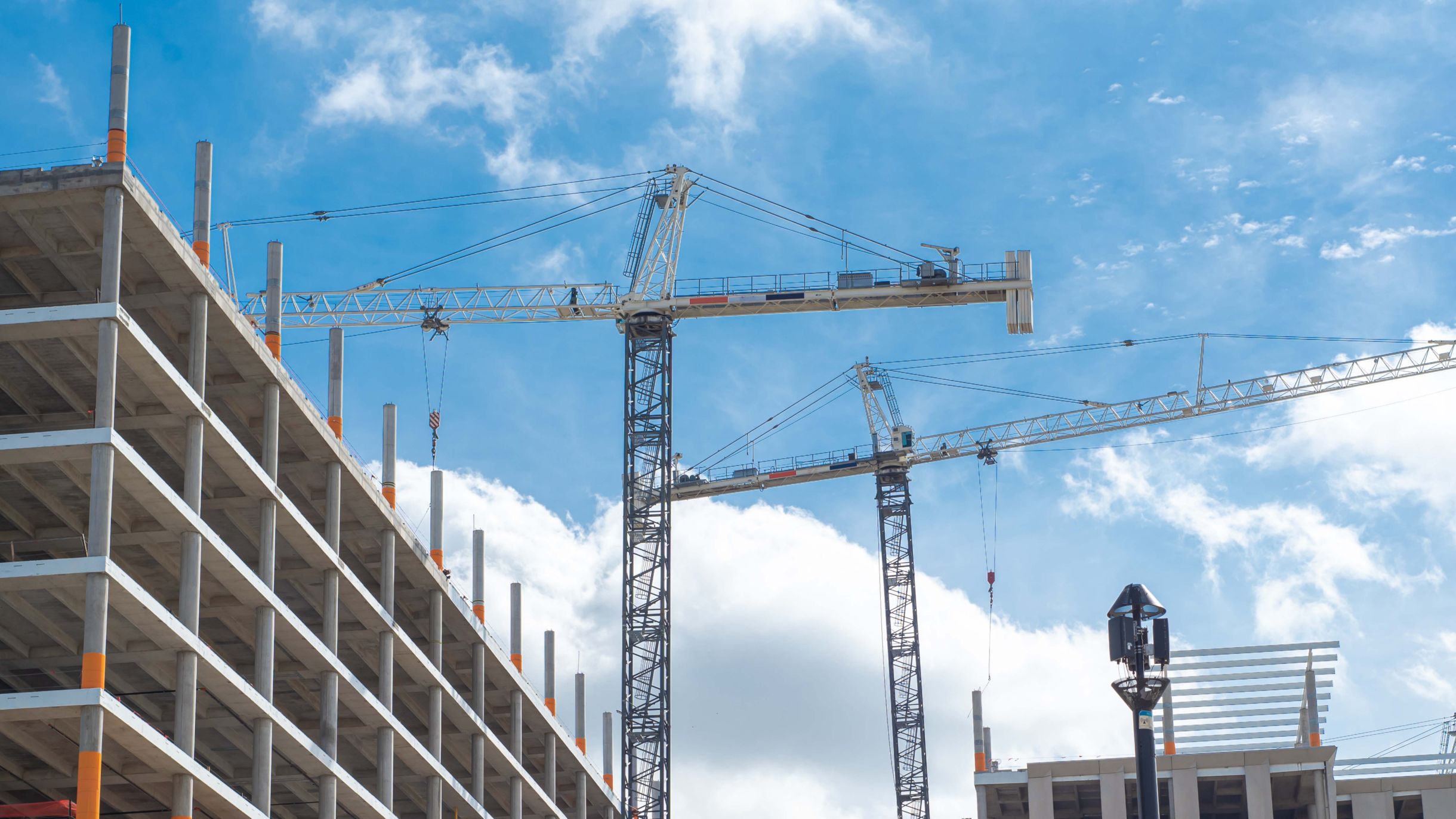
In precast construction, concrete elements are manufactured under controlled conditions in a precast concrete plant before being transported to the construction site and installed.
Typical precast concrete elements include:
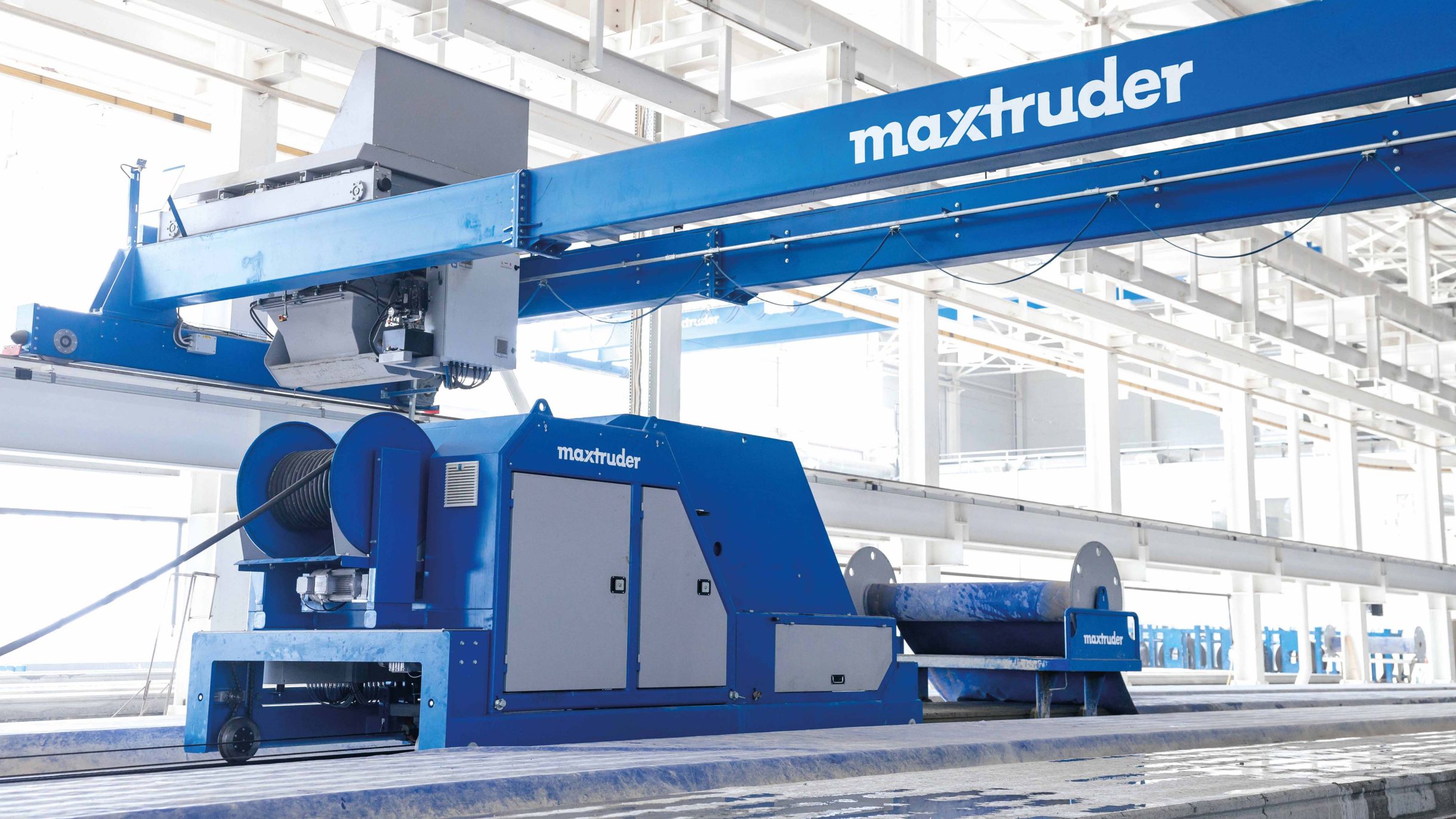
- wall and façade elements
- columns and beams
- prestressed concrete elements
- hollowcore slabs
The key difference compared with conventional construction lies in the process. A significant part of the value creation takes place not on the construction site, but in a controlled and predictable production environment.
Production can also take place in parallel with site preparation. While foundations or infrastructure are being completed, the required precast concrete elements can already be manufactured in the factory.
A major economic advantage of precast lies in the industrialisation and standardisation of the construction process.
Successful precast starts with the right planning
A common challenge is converting a building that was originally designed for conventional construction to precast at a later stage. While this is possible, it often means that only part of the potential benefits of precast can be realised.
An efficient precast project considers key parameters from the outset, including:
- element dimensions and repetition
- structural design and connection technology
- production methods
- transport dimensions and weights
- installation processes
- production capacity
- level of automation
- future expansion
Architecture, engineering, precast concrete production, transport and installation therefore need to be considered as part of one integrated process.
The earlier precast is incorporated into project planning, the greater the potential for an efficient overall process.
What improves construction time, quality and planning reliability at project level creates a different set of requirements on the production side. A precast concrete plant must be able to deliver these advantages reliably, economically and at the required capacity.
What makes precast concrete production economical?
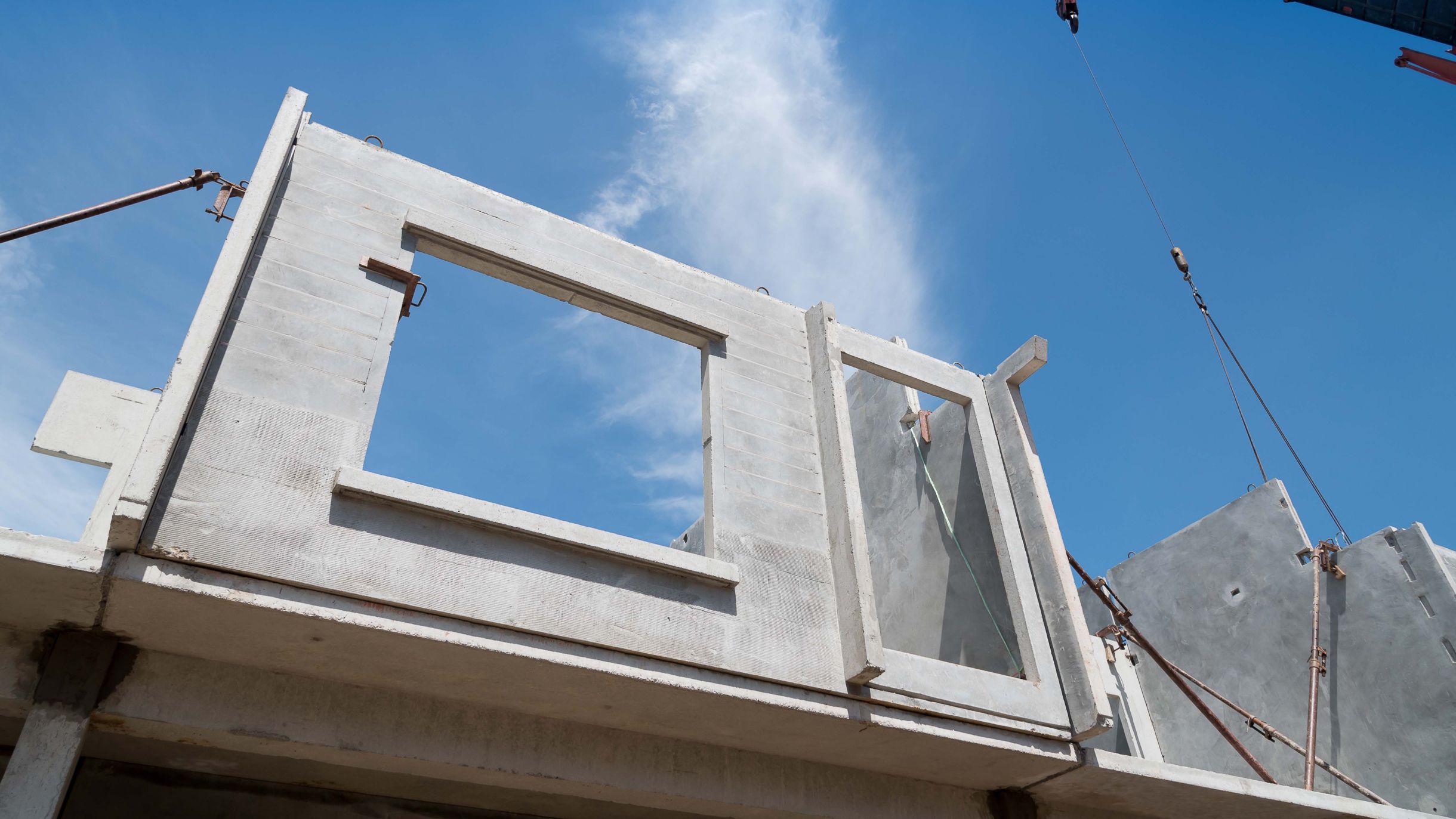
For precast concrete producers, economic performance is not determined by a single machine. What matters is how efficiently, reliably and flexibly the entire production process can operate over the long term.
Key factors include production capacity, operating costs, plant availability, flexibility and the ability to expand or modernise production as requirements change. These considerations should be addressed during the planning of the precast concrete plant rather than only when individual machines are selected.
Economical precast concrete production is designed not only for current demand, but also for future development.
Product range, production volumes and market requirements determine the required capacity, plant layout, level of automation, machine configuration and future expansion options.
This is particularly important in the production of prestressed concrete elements and hollowcore slabs. Longbed casting, prestressing technology, extrusion, concrete mix design, material handling and production organisation are closely interconnected.
Economic efficiency therefore depends on the performance of the complete production concept rather than on any individual machine.
Experience helps reduce investment risk
Precast projects can vary significantly. Raw materials, labour costs, energy prices, local construction methods, available skills, required products and future capacity needs differ from one market to another. A precast plant should therefore never be considered in isolation.
Since 1954, MAX-truder has been developing solutions for the precast concrete industry. With more than 450 projects realised worldwide, we combine decades of practical project experience with German engineering and modular plant concepts.
Our portfolio ranges from individual machines and production lines to complete stationary and mobile precast plants. The focus is on robust technology, efficient production, expandability and long-term operational reliability.

International Expertise & Know-how

MAX-truder is a member of the International Federation for Structural Concrete (fib) and benefits from exchange within an international network of companies, engineers, researchers and structural concrete specialists.
This international perspective, combined with experience from projects around the world, helps broaden the technical approach to complex requirements.
MAX-truder sees its role as an interface between customer requirements, engineering, production and specialised expertise. Where a project requires additional know-how, the objective is not to impose a standard solution, but to develop the technically and economically appropriate solution for the specific application.
Conclusion: precast starts with the complete concept
Precast concrete can make construction projects faster, more predictable and more economical. Its full potential, however, is not realised by simply replacing individual building components.
The greatest benefits arise when planning, production, logistics and installation are coordinated from the outset.
The same principle applies to precast concrete producers. Long-term economic performance depends not on one machine, but on the interaction between production technology, capacity, operating costs, flexibility and scalability.
The right precast solution is therefore not necessarily the largest or most complex plant. It is the solution that fits the product, the market and the operator's long-term strategy.